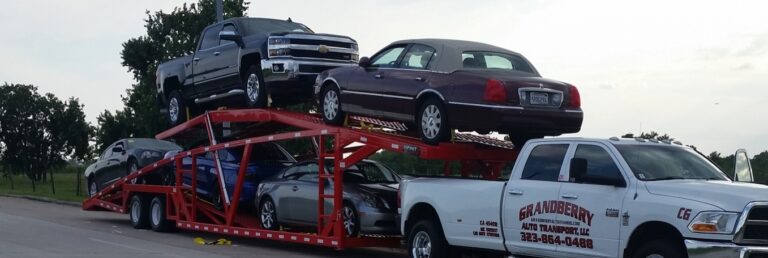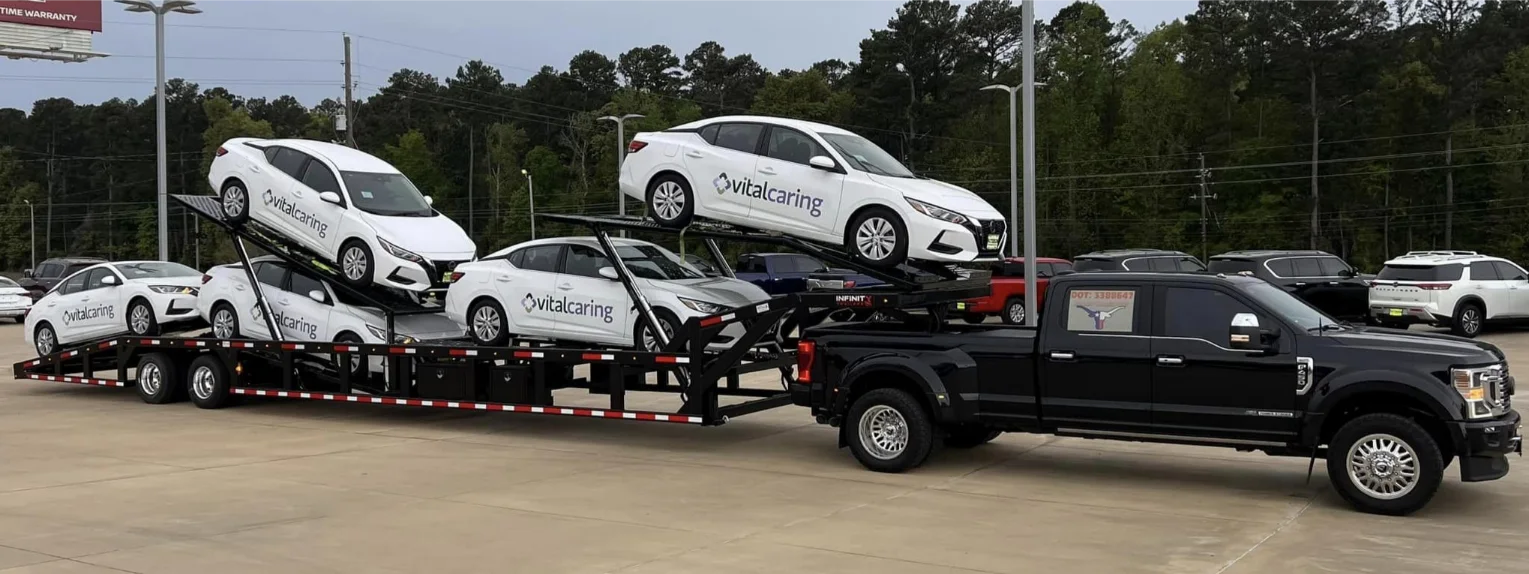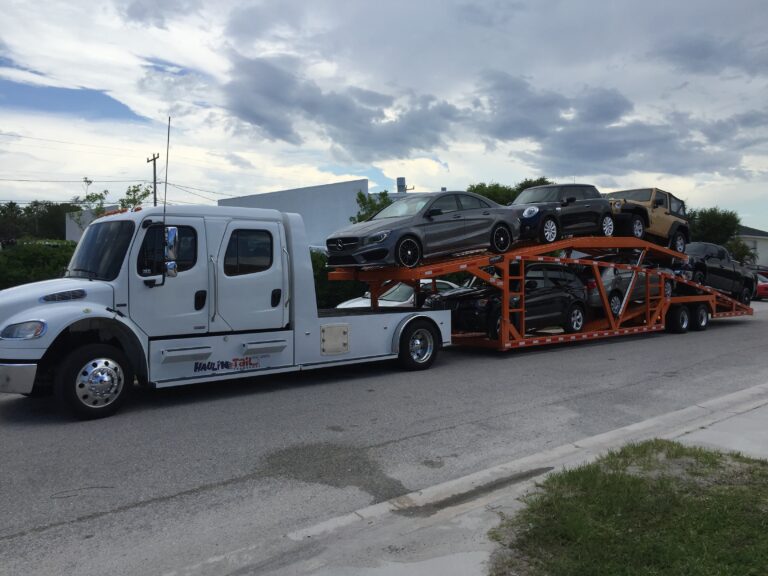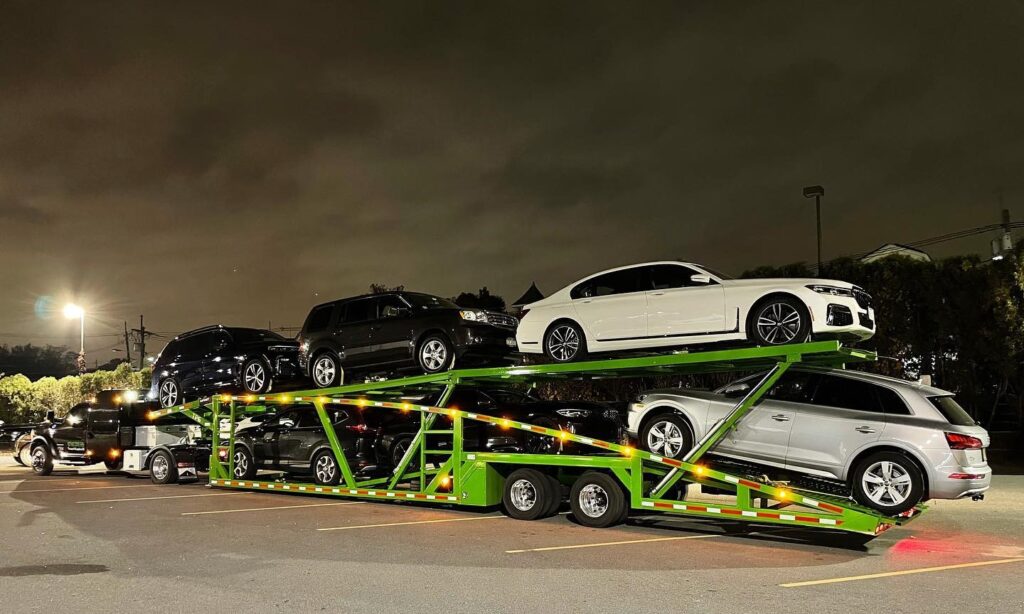
Buying a 4, 5 or 6 car hauler is the first step. Keeping it full is what makes the business work. New car haulers usually find their first loads in four places: dealerships, auto auctions, brokers and online load boards. Each one works differently, pays differently and asks different things of you. Here’s how each source works, how to get set up with it, and how to build a steady mix of loads that keeps your multi car trailer moving.
Before you look for loads: be ready to say yes
Shippers and brokers will ask for proof that you’re legal and insured before they hand you a car. Have these ready:
- Active USDOT number and, for interstate work, active MC operating authority (or a TxDMV number for Texas-only work)
- Certificate of insurance showing liability and cargo coverage
- A W-9 for your business
- A simple rate sheet and a professional email and phone number
Not set up yet? Start with our car hauler authority checklist.
1. Dealerships
Dealers move cars constantly: trades between stores, inventory swaps with other dealers, cars bought at auction, and deliveries to customers. Local and regional dealer work is often the steadiest freight a new car hauler can build.
How to get it:
- Visit used car managers and inventory managers in person. Bring your insurance certificate and a business card.
- Start with independent and smaller franchise dealers. They often don’t have a dedicated carrier yet.
- Offer to take short-notice runs. Reliability is what earns repeat work.
- Follow up after every load with clean paperwork and condition photos.
Good for: regular local and regional runs, direct relationships and fewer middlemen.
2. Auto auctions
Auctions sell large numbers of vehicles every week, and every one of them has to go somewhere. Dealer auctions and salvage auctions run very differently, each with its own rules for carriers, gate passes and release paperwork.
How to get it:
- Learn the carrier rules at each auction near you: registration, gate release process and hours.
- Get to know the transportation desk and the dealers who buy there. Many dealers need a hauler to bring cars home.
- Pair auction runs with dealer deliveries, so you’re loaded in both directions.
Good for: filling a whole trailer at one stop, and building relationships with the dealers who buy there.
3. Brokers
Auto transport brokers take orders from dealers, manufacturers, rental companies and private customers, then hire carriers to move them. Brokers handle the selling and paperwork, so you can focus on driving. In return, they keep part of the rate.
How to get it:
- Find brokers that work your lanes, and complete their carrier setup packets.
- Ask about payment terms up front, and get the rate, pickup and delivery details in writing.
- Look up any broker’s operating authority on FMCSA’s public company lookup (SAFER) before you take the load.
- Do good work and be easy to reach. Brokers call reliable carriers first.
Good for: long-distance loads, filling gaps in your schedule and covering lanes where you don’t have direct customers.
4. Load boards
Load boards are online marketplaces where dealers, auctions and (most often) brokers post vehicles that need moving, and carriers book them. Most auto transport load boards charge a subscription. For many new car haulers, a load board is the fastest way to find a first load, a backhaul or a load out of an unfamiliar city.
How to get the most from load boards:
- Search by your lanes and the trailer you run. Filter for loads that fit a 4, 5 or 6 car trailer.
- Check the shipper’s or broker’s ratings and payment history before you accept.
- Plan multi-car loads along one route instead of booking one car at a time.
- Book your backhaul before you leave, so you’re not driving home empty.
Good for: getting started, backhauls and finding loads out of new areas. Load boards can be competitive on price, so most haulers use them alongside direct customers, not instead of them.
Build a load mix that keeps your trailer full
The haulers who stay busy rarely rely on one source. A common pattern looks like this:
- Base: a few dealers you run for every week
- Fill: auction runs and broker loads that fit around your regular work
- Gaps and backhauls: load boards
Over time, shift more of your work toward direct dealer and auction customers. Those relationships tend to be steadier, and you keep more of every load.
Protect yourself on every load
- Inspect at pickup. Walk around every vehicle, note any existing damage on the bill of lading or condition report, and take time-stamped photos. Have the shipper sign it.
- Inspect at delivery. Do the same walk-around with the receiver, and get a signature.
- Strap every wheel and check straps after the first few miles. See how to load and strap cars on a car hauler.
- Get it in writing. Rate, pickup and delivery windows, and payment terms should be confirmed before you roll.
Pick the right trailer for your loads
The trailer you run affects which loads you can take:
- A 4 car hauler costs less and is easier to fill on short dealer runs.
- A 5 car hauler is a popular middle ground for dealer, auction and broker work.
- A 6 car hauler earns the most per trip when you can keep it full, like on auction runs and long-distance broker loads.
- Our 53-foot low pro haulers with hydraulic tilt decks make it easier to take low-clearance dealer inventory.
Not sure which size fits? Read which car hauler size fits your auto transport business.
Frequently asked questions
What’s the fastest way to get my first car hauling load?
For most new carriers, it’s a load board or a broker, since you can book a load the same day. Building dealer relationships takes longer but usually pays off with steadier work.
Do I need my own authority to haul for brokers?
Yes. Brokers hire carriers with active operating authority and insurance. For Texas-only work, you’ll need a TxDMV number instead of an MC number.
How do I avoid damage claims?
Document every vehicle’s condition at pickup and delivery with photos and signatures, strap every wheel and drive smoothly.
Ready to haul?
Browse our 4 car, 5 car and 6 car hauler trailers for sale, see your financing options, or contact Infinity Trailers in Haslet, Texas. With over 25 years in auto transport, we’re happy to talk through the work you’re planning.
Last reviewed November 18, 2026.