The Complete Buyer’s Guide to 5 Car Hauler Trailers in 2026
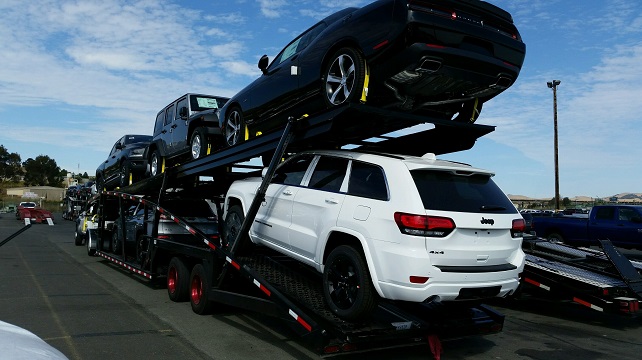
Buying a 5 car hauler trailer is one of the biggest capital decisions an auto transport business makes. The right trailer expands what contracts you can bid on and how much revenue each trip generates. The wrong one locks you into higher repair costs, slower loading, and missed bookings. This 2026 buyer’s guide walks through every factor that actually affects your bottom line, from deck design to financing terms, so you can make a decision backed by real operating numbers instead of showroom pressure.
Start with Your Freight Mix, Not the Trailer Catalog
Before looking at a single spec sheet, pull your last twelve months of completed loads and break them down by vehicle type: sedans, SUVs, pickups, vans, and any low-clearance specialty vehicles. This freight mix should drive every decision that follows. A business hauling mostly dealership sedans has very different deck and length needs than one specializing in fleet pickup trucks or high-end vehicles that require careful ramp loading.
Deck Type: The Decision That Shapes Everything Else
Modern 5 car trailers generally fall into two categories: drive-over belly deck designs and dual hydraulic tilt deck designs. Belly deck trailers, often built with a box tongue for chassis cab trucks, make loading and unloading work trucks significantly easier. Dual tilt deck trailers lower to near ground level, which speeds up loading for standard passenger vehicles and reduces scraping risk on lower cars.
There is no universally “better” option here — the right deck type depends entirely on the vehicles you haul most often. If you’re uncertain, request a live loading demonstration from the dealer using a vehicle similar to your typical freight.
Loading Capacity: Read the Fine Print
Total loading capacity numbers advertised by manufacturers, often in the 76-foot range, combine top and bottom deck length together. Always ask for the individual top deck and bottom deck measurements separately, since these determine what specific vehicles fit where. A trailer with a shorter top deck may struggle with extended-cab trucks or full-size vans on the upper rail, even if its combined total sounds impressive.
Weight Ratings You Cannot Afford to Skip
Confirm three numbers before you buy: the trailer’s empty weight, its Gross Vehicle Weight Rating (GVWR), and your tow vehicle’s rated towing capacity. Many 5 car trailers weigh around 13,000 pounds empty with a combined GVWR near 25,000 pounds on tandem dual axles rated at roughly 12,000 pounds each. Loading five vehicles that push you over GVWR creates real legal and safety exposure, including potential fines at weigh stations and denied insurance claims after an accident. Always calculate your typical vehicle mix’s combined weight against the trailer’s rated capacity before finalizing a purchase.
Axles, Brakes, and Tires
Tandem dual axles with hydraulic brakes on both axles are the standard for commercial-grade 5 car haulers. Confirm the tire and wheel specification, commonly a 17.5-inch commercial-rated tire on multi-lug wheels, and ask how easily replacements can be sourced regionally, since a blown tire on the road with no nearby match can cost you a full day of downtime. A breakaway kit, which automatically applies trailer brakes if it disconnects from the tow vehicle, should be standard equipment, not an add-on.
New vs Used: What Actually Changes
Buying new gets you full warranty coverage on hydraulic cylinders, axles, and structural components, along with the latest LED lighting and safety features. Buying used can meaningfully lower your upfront capital outlay, but requires a thorough inspection of the frame for rust or previous repairs, the hydraulic ramp cylinders for leaks, and the axle bearings for wear. If you’re buying used, request maintenance records and, where possible, have an independent mechanic inspect the unit before you close the deal.
Financing and Total Cost of Ownership
Many trailer manufacturers and dealers offer financing directly, which can preserve your working capital for fuel, insurance, and payroll. When comparing financing offers, calculate total cost of ownership rather than just the monthly payment: include expected maintenance costs, tire replacement cycles, and insurance premiums tied to the trailer’s value. A slightly higher-priced trailer with a stronger warranty and lower expected repair frequency often costs less over a three- to five-year ownership period than a cheaper unit with a thinner warranty.
2026 Buyer’s Checklist - Category and What to Confirm
- Freight mix - Match deck type to your actual vehicle types hauled
- Deck design - Belly deck vs dual hydraulic tilt deck
- Loading capacity - Top deck and bottom deck length, not just combined total
- Weight ratings - Trailer GVWR vs your tow vehicle’s rated capacity
- Axles and brakes - Tandem duals, hydraulic brakes, breakaway kit
- Tires - Confirm size and regional availability of replacements
- Warranty - Coverage on hydraulic cylinders and structural frame
- Financing - Compare total cost of ownership, not just monthly payment
The best 5 car hauler trailer for 2026 is the one that matches your actual freight mix, fits within your tow vehicle’s rated capacity, and comes with a warranty that protects you against the most common failure points — hydraulic cylinders, axles, and brakes. Take the time to pull your own load history before shopping, request live loading demonstrations, and compare total cost of ownership rather than sticker price alone. A trailer bought this carefully will expand your business’s capacity for years rather than becoming a source of unexpected downtime.
Our Finance Partner