New vs. Used 5 Car Trailers: Which Is Better for Your Business?
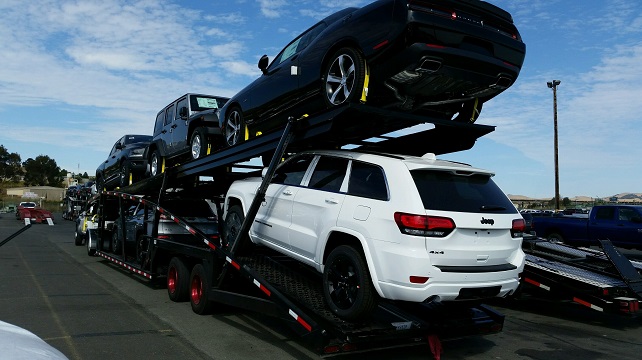
Buying a 5 car trailer marks a major decision for any hauling or dealership business. The choice between new and used affects your upfront budget, long-term maintenance costs, and daily reliability on the road. This guide breaks down both options so you can match the right trailer to your business goals and operating budget.
Why Businesses Choose 5 Car Trailers
Car haulers, dealerships, and transport companies rely on 5 car trailers because they move more inventory in fewer trips. A single trailer can carry five vehicles at once, which cuts fuel costs per unit and reduces the number of drivers you need on the road. Auction buyers use these trailers to transport bulk purchases quickly, while dealerships use them to restock lots without waiting on single-car deliveries. The efficiency gain alone often justifies the investment, whether you buy new or used.
Advantages of Buying New
A new 5 car trailer arrives with the latest suspension technology, updated axle ratings, and current DOT-compliant lighting systems. You get a full manufacturer warranty that covers structural defects and mechanical failures, which protects your investment during the early years of ownership. New trailers also let you customize the configuration, including ramp style, tie-down placement, and deck width, so the unit matches your exact hauling needs from day one. Since no previous owner used the trailer, you avoid hidden wear, rust, or frame stress that can develop over years of heavy loads.
Advantages of Buying Used
A used 5 car trailer costs significantly less than a comparable new model, which frees up capital for other parts of your business. Depreciation hits hardest in the first two to three years, so a well-maintained used trailer often delivers most of the functionality of a new unit at a fraction of the price. Used trailers also come ready to work immediately, without the wait times that manufacturers sometimes attach to custom new-build orders. For businesses testing a new route or expanding fleet size temporarily, a used trailer reduces financial risk while still delivering full hauling capacity.
New vs. Used Cost Comparison
Price remains the clearest difference between the two options. A new 5 car trailer typically costs 30 to 50 percent more than a similar used model with moderate mileage and age. Insurance premiums also run higher on new trailers because insurers base rates on replacement value. However, used trailers can carry hidden costs if they need immediate repairs, tire replacements, or brake work after purchase. Smart buyers calculate the total cost of ownership, not just the sticker price, before deciding which option truly saves money over a five-year period.
Maintenance Considerations
New trailers demand less maintenance in their first few years since every component starts at full working life. You mainly need routine checks on tire pressure, wheel bearings, and lighting connections. Used trailers require closer attention because previous wear may already exist on brakes, suspension bushings, or the frame itself. A buyer who plans to run a used trailer daily should budget for more frequent inspections and expect to replace worn parts sooner than they would on a new unit.
Warranty Considerations
Manufacturer warranties on new trailers typically cover the frame, axles, and electrical systems for one to three years, depending on the brand. This coverage protects your business from unexpected repair bills during the period when the trailer sees the heaviest early use. Used trailers rarely carry manufacturer warranties unless the previous owner transferred a policy that remains active. Some dealers offer limited used-trailer warranties covering major components for 30 to 90 days, so ask specifically about this before you finalize a purchase.
Financing Considerations
Lenders generally offer better interest rates and longer terms on new trailers because they carry lower risk and higher resale value as collateral. Used trailer loans often come with shorter repayment periods and slightly higher rates, especially on units older than five years. Some buyers choose to pay cash for used trailers specifically to avoid these financing gaps. If you plan to finance either option, get pre-approved and compare total interest paid over the life of the loan, not just the monthly payment.
What to Inspect on a Used 5 Car Trailer
Before you commit to a used purchase, inspect the trailer thoroughly in person or send a trusted mechanic to do it for you. Focus on these areas during your walkthrough: check the frame and crossmembers for rust, cracks, or previous weld repairs; test the brakes and electrical connections including running lights and turn signals; inspect tire tread depth and sidewall condition on all axles; examine the deck surface for warping, rot, or metal fatigue; and verify that ramps, winches, and tie-down points operate smoothly without excessive play. A trailer that passes all five checks usually indicates responsible prior ownership.
When Buying New Makes More Sense
Buying new makes sense when your business runs the trailer daily under heavy loads and downtime costs you real money. It also fits companies that want a specific configuration unavailable on the used market, or businesses that plan to keep the trailer for ten years or more and want the full warranty protection during that stretch. Companies building a professional image for clients, such as dealerships transporting inventory to showrooms, often prefer the clean appearance and reliability of a new unit.
When Buying Used Makes More Sense
Buying used makes sense when your budget is tight, your hauling volume is moderate, or you want to test a new business line before committing to a full new-trailer investment. It also fits buyers who have mechanical knowledge or access to affordable repair services, since they can address minor issues themselves without paying dealer labor rates. Seasonal operations or businesses expanding a fleet quickly often choose used trailers to scale capacity without straining cash flow.
FAQs
- How long does a 5 car trailer typically last?
With proper maintenance, a well-built 5 car trailer can last 15 to 20 years, though heavy commercial use may shorten that lifespan. - Is it cheaper to finance a new or used 5 car trailer?
New trailers usually qualify for lower interest rates, but used trailers require a smaller loan amount, so total costs vary by individual deal terms. - What should I check first when inspecting a used trailer?
Start with the frame and crossmembers, since structural rust or damage costs the most to repair and affects overall safety. - Do used 5 car trailers come with any warranty?
Most do not carry a manufacturer warranty, though some dealers offer short-term coverage on major components.
Neither new nor used stands out as the universally better choice; the right answer depends on your budget, usage frequency, and risk tolerance. Businesses that haul daily and want long-term warranty protection should lean toward new. Businesses that need to control upfront costs while still moving inventory efficiently should look closely at well-maintained used trailers. Whichever direction you choose, inspect thoroughly, compare financing terms, and calculate total ownership costs before you sign. That approach protects your business regardless of which option lands on your lot.
Our Finance Partner